ABOUT OUR GOVT. PARTNER
The Ministry of Electronics and Information Technology (MeitY) is a central government ministry in India responsible for policies, programs, and initiatives in the fields of electronics, information technology (IT), digital governance, and allied technology innovation. It plays a key role in driving India’s Digital India vision, fostering digital infrastructure, and enabling the use of emerging technologies like artificial intelligence (AI), machine learning (ML), cloud computing, and cybersecurity.
Key Responsibilities
- Formulating policies for IT and electronics development in India.
- Promoting digital inclusion, e-governance, and digital public infrastructure.
- Supporting research and development in cutting-edge technologies.
- Fostering startup ecosystems and industry-academia innovation.
- Overseeing national digital programs and projects.
Organizational Scope
MeitY oversees major initiatives such as:
- National e-Governance Plan (NeGP) — digital transformation of government services nationwide.
- IndiaAI Mission — a flagship program to cultivate the AI ecosystem across India.
- Entrepreneurship schemes (TIDE 2.0) — supporting startups in IoT, AI, robotics, and emerging tech.
- Collaboration with research bodies and technical institutes.
MeitY’s Efforts in Promoting 3D Technologies
While MeitY’s primary mandates are broad technology and digital transformation, it indirectly supports 3D technologies through several mechanisms:
1. Technical Training and Skills Development
MeitY, through institutions like the National Institute of Electronics & Information Technology (NIELIT), conducts training and certification programs in 3D printing and additive manufacturing — foundational aspects of modern 3D technology and prototyping.
2. Research & Development Support
Under MeitY’s research initiatives in emerging technologies, 3D technologies — including AR/VR, digital twin, multi-sensory immersion, and related innovations — are recognized as priority areas for growth, development, and standardization.
3. Incubation & Startup Enablement
Through schemes like TIDE 2.0, MeitY encourages startups working with 3D technologies, IoT, robotics, and other advanced tech by providing financial and technical support, mentoring, and ecosystem linkage.
MeitY & AI-Enabled Digital Twin Promotion
A digital twin is a virtual replica of a physical object, system, or process, enriched by real-time data and AI analytics to simulate, monitor, and optimize performance. While MeitY does not run a standalone “Digital Twin Mission,” it catalyzes ecosystem development where digital twin solutions can flourish:
1. IndiaAI Mission — Strengthening AI Ecosystem
MeitY drives the IndiaAI Mission, a flagship AI ecosystem platform that:
- Builds national AI infrastructure, including compute, data, and tools.
- Supports AI research, innovation, and deployment in public and private sectors.
- Encourages ethical, safe, scalable AI solutions.
Because digital twin systems rely heavily on AI/ML for analytics, simulation, and prediction, the IndiaAI ecosystem indirectly benefits digital twin development across sectors such as manufacturing, healthcare, smart cities, and industrial automation.
2. National AI Programme & Responsible AI
MeitY’s National Programme on AI and the setting up of Centres of Excellence, national datasets, and skilling frameworks strengthen India’s foundation for advanced AI — a core enabler of digital twin technologies.
3. Integration in Government Services
MeitY promotes AI integration in governance platforms (e.g., AI for citizen services, chatbots, intelligent analytics) which build institutional capabilities useful for larger digital twin applications too.
How These Efforts Help 3D & Digital Twin Adoption in India
Though MeitY’s programs are not exclusively labeled “3D technology” or “digital twin” initiatives, their broader frameworks significantly enable the ecosystem for these technologies to mature:
- Skill and Workforce Development – Through training and certification programs.
- Innovation and Startups – Funding and support for emerging tech startups in AI, IoT, and digital modeling.
- R&D and Standards – Supporting R&D in immersive tech, AI integration, and digital twin research.
- AI Infrastructure & Policy Support – Building national AI infrastructure that can underpin digital twin systems.
Summary
- MeitY is India’s central ministry responsible for shaping the digital and technological landscape, including IT policy, digital governance, and emerging tech adoption.
- It promotes emerging technologies by fostering AI ecosystem growth, enabling skills development, supporting startups, and backing research in fields like AR/VR, additive manufacturing, and digital twin-related technologies.
- Its flagship programs — especially IndiaAI Mission and research facilitation — create an environment where AI-enabled digital twin solutions can be developed and scaled across industries.
IIT Bombay
Introduction
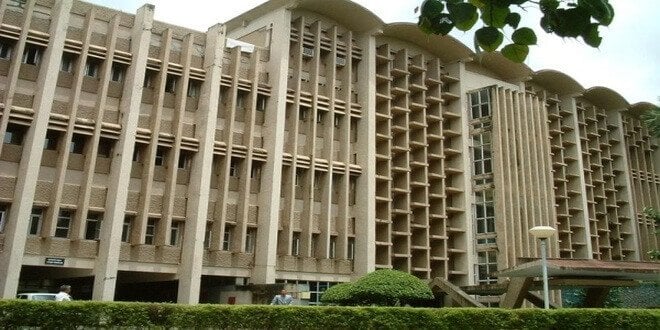
IIT Bombay was established in 1958. It attracts top-tier students. Its renowned faculty drives research and academics, forging collaborations with national and international peers. Alumni excel in various fields, contributing to industry, academia, research, and more. The institute offers innovative short-term courses, continuing education, and distance learning. Faculty members have received prestigious awards, including the Shanti Swaroop Bhatnagar and Padma honors. It provides a fully residential experience with hostels, dining, sports, and recreational facilities.
IIT Delhi
Introduction
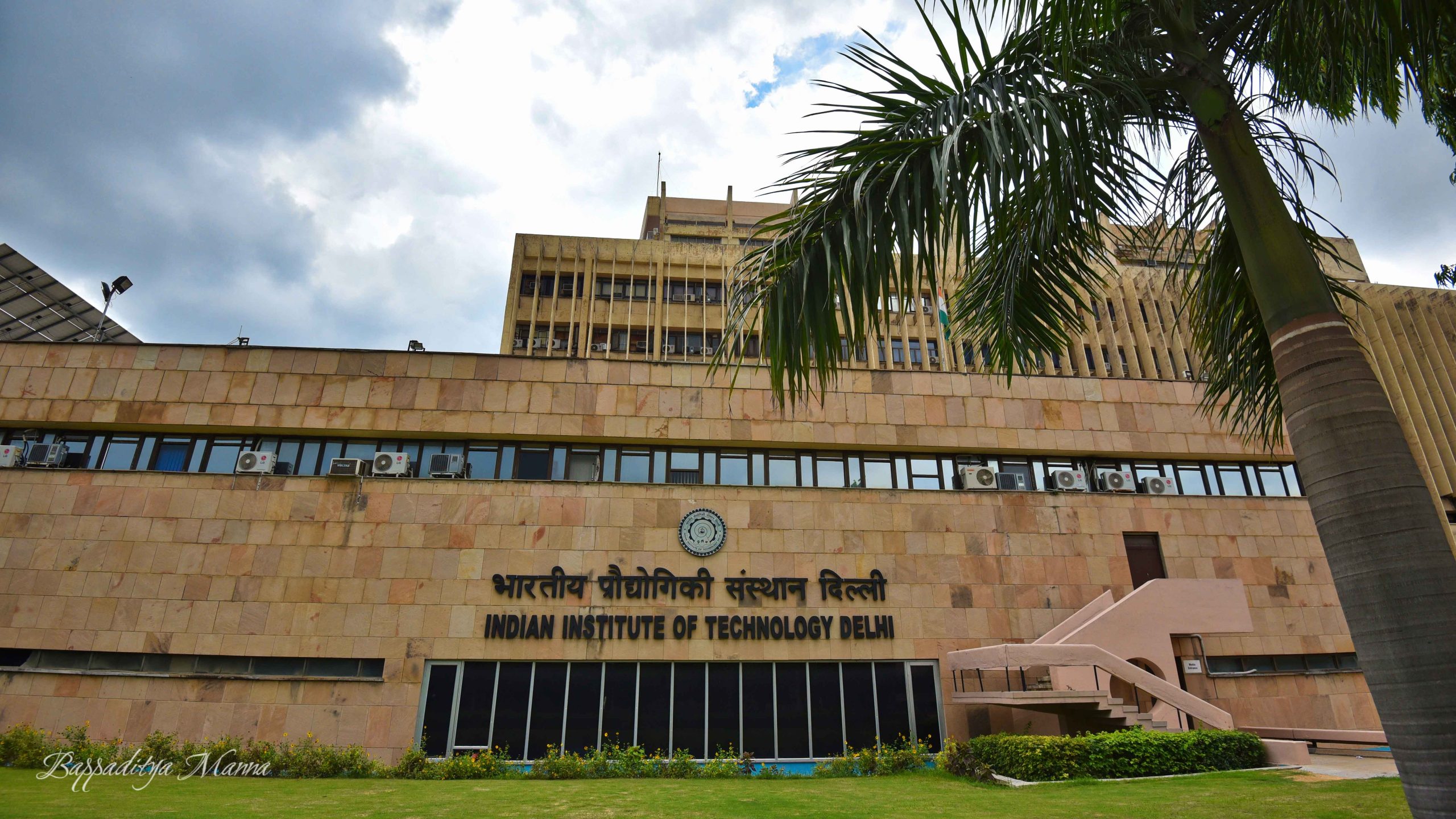
IIT Delhi Indian Institute of Technology (IIT) Delhi is one of the 23 IITs created to be National Centres of Excellence for training, research and development in science, engineering and technology in India. Established as College of Engineering in 1961, the Institute was later declared as an Institution of National Importance under the “Institutes of Technology (Amendment) Act, 1963” and was renamed as “Indian Institute of Technology Delhi’. Since its inception, over 50,000 have graduated from IIT Delhi, of which more than 5500 are with a Ph.D. degree, in various disciplines including Engineering, Physical Sciences, Management and Humanities & Social Sciences. In 2018, IIT Delhi received the special status of Institution of Eminence (IoE) by the Govt. of India, giving it greater autonomy in various matters including hiring of foreign faculty and starting collaborations with foreign institutions.
IISc
Introduction
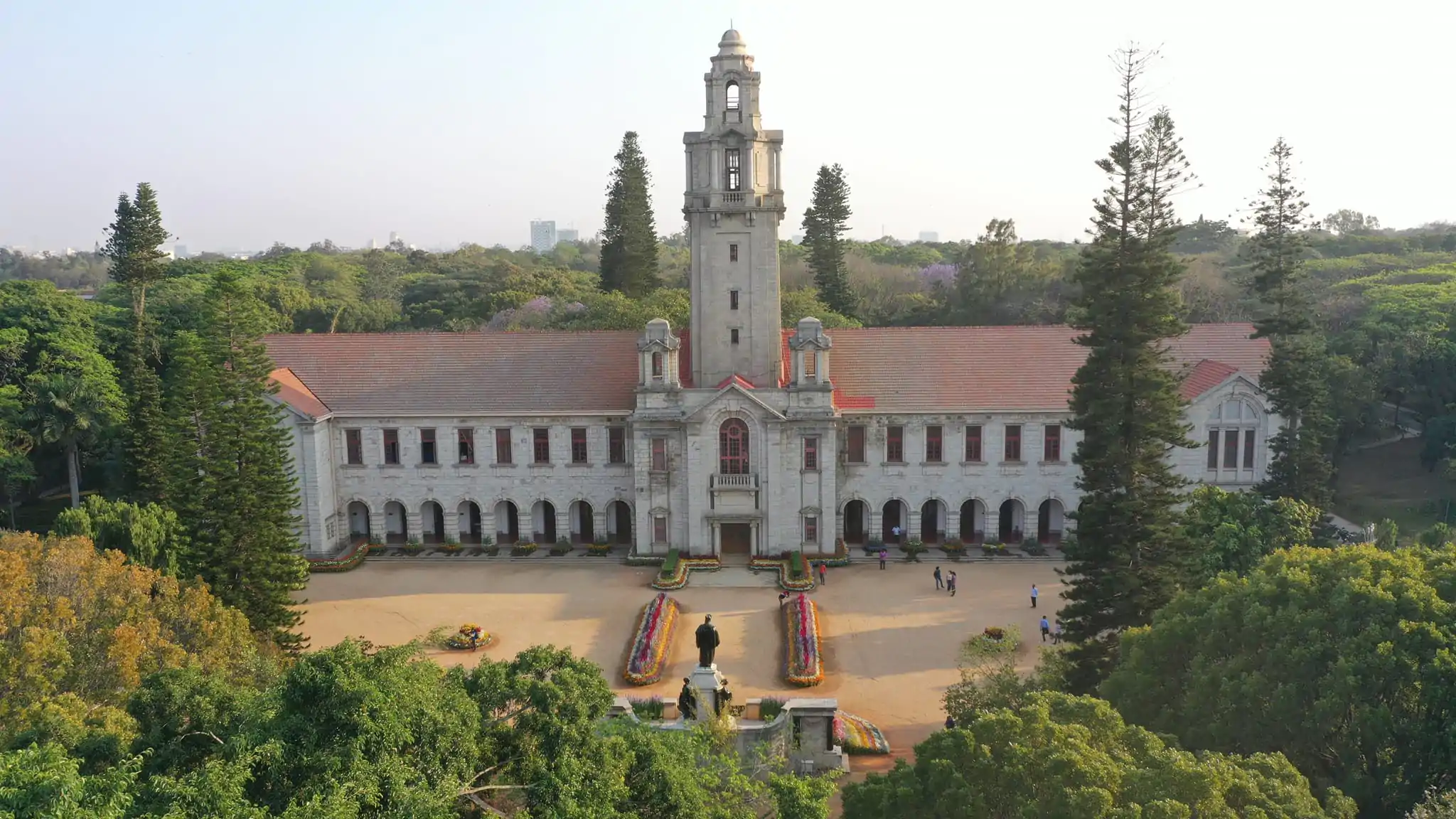
Indian Institute of Science (IISc) is a public deemed research university for higher education and research in science, engineering, design, and management. It is located in Bengaluru, Karnataka. The institute was established in 1909 with active support from Jamsetji Tata and thus is also locally known as the Tata Institute. It was granted a deemed university status in 1958 and recognised as an institution of Eminence in 2018
IIT Guwahati
Introduction
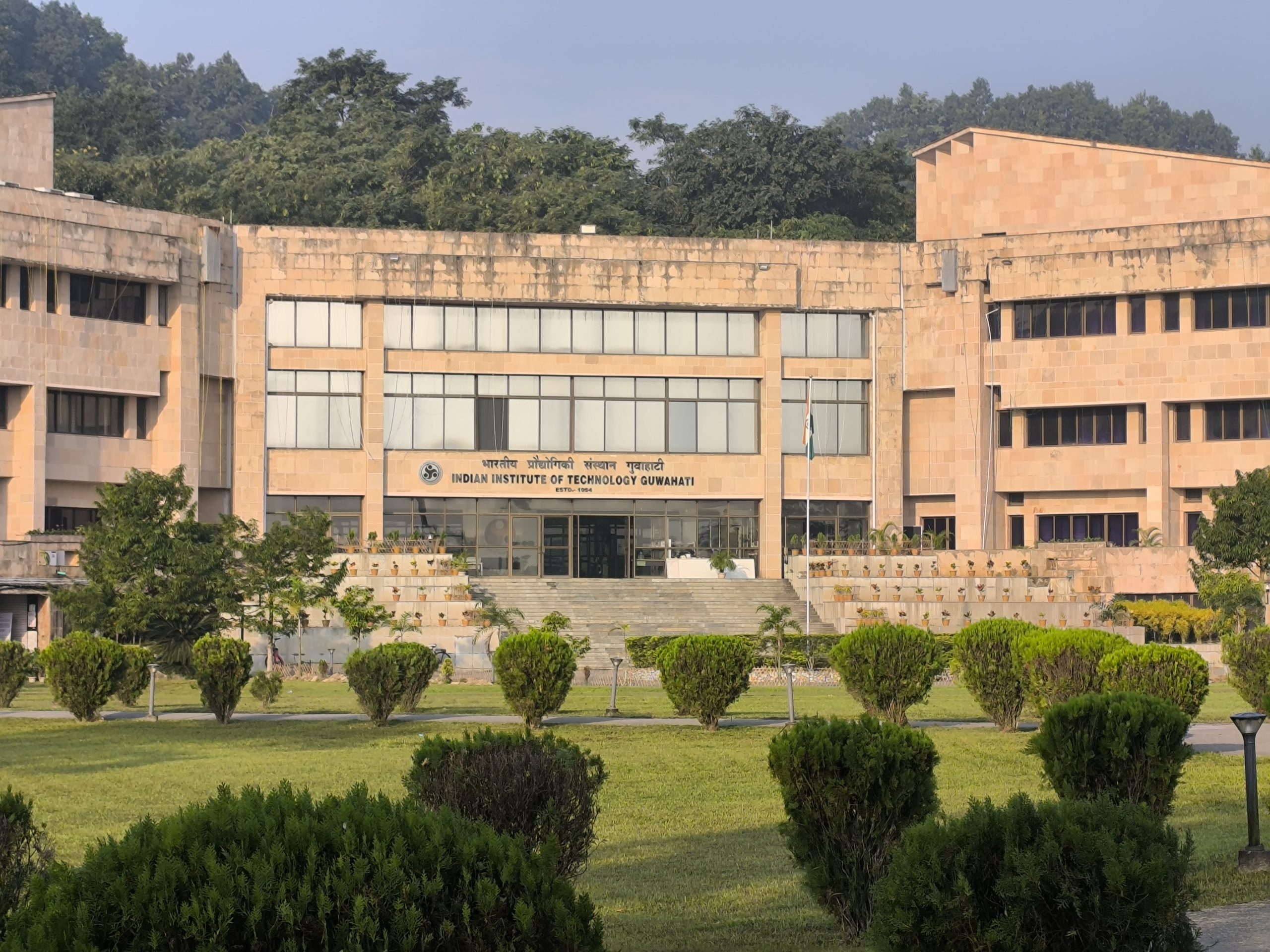
IIT Guwahati is a public Technical University located in Amingaon, North Guwahati, in the state of Assam, India. Established in 1994 by an act of the Parliament of India, it is the sixth Indian Institute of Technology and is designated an Institute of National Importance under the Institute of Technology Act, 1961.
The Institutes creation arose from the 1985 Assam Accord, signed between the All Assam Students Union and the Government of India, which included commitment to establish an IIT in the State as part of broader improvements to education infrastructure in region. The campus occupies approximately 700 acres of the northern bank of the Brahmaputra River, about 20 kilometres from central Guwahati.
VIT
Introduction
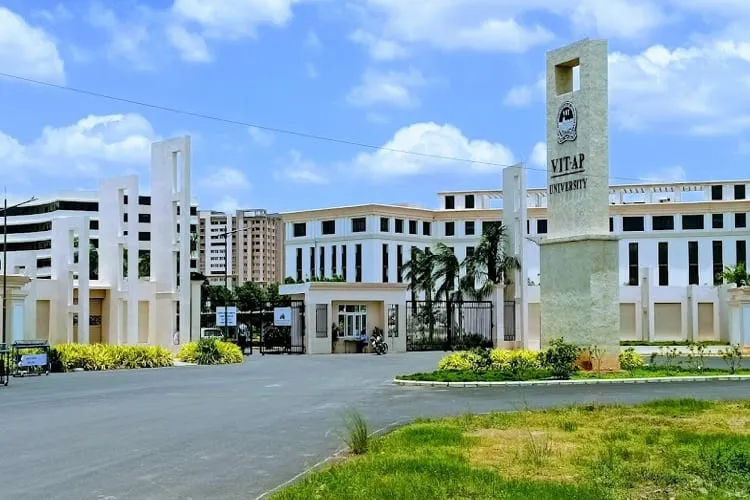
VIT Vellore Institute of Technology (VIT) is a private deemed university in Vellore, Tamil Nadu, India.
The institution offers undergraduate and postgraduate programmes. It has campuses in Vellore and Chennai and three sister universities as distinct state private universities in Amaravati, Bhopal and Bengaluru in India, and an international campus in Mauritius.
IIT Mandi
Introduction
Indian Institute of Technology Mandi (IIT) Mandi is a premier public technical research university located in the Kamand Valley of Himachal Pradesh, India.Established in 2009, it is one of the second-generation IITs and is celebrated for its modern, sustainable mountain campus, strong research focus, and emphasis on entrepreneurship